
Courier Driver Challenges in 2026: A Courier Business Perspective
As a courier driver, you face a unique set of hurdles that go far beyond simply driving from point A to point B. Success requires balancing diverse customer service expectations, from delivery accuracy to swift issue resolution, all while hitting tight delivery windows. Despite these obstacles, many of us still prefer the open road to sitting behind an office desk working a standard 9-to-5.
However, the job is changing. Urban traffic congestion slashes productivity, often increasing delivery times by up to 50%. You must manoeuvre through strict parking restrictions in busy cities while keeping an eye on rising operational costs. To survive in 2026, you need specific strategies, such as route optimisation and a sharp focus on fuel economy.
The Urban Battlefield: Congestion and Route Mastery
Route efficiency determines whether a courier business profits or fails. Countless drivers grapple with urban traffic, a persistent problem that inflates delivery times and fuel consumption. In 2025, drivers in the UK lost an average of 59 hours to congestion, a figure that rises significantly for those on the road full-time.
Congestion is a massive financial drain. Recent data reveals that drivers lost an average of 59 hours to congestion, costing the national economy approximately £11 billion. Broader estimates suggest that traffic congestion is projected to cost the UK economy £7.7 billion annually. One accident on a busy artery like the M25 or the M8 in Glasgow causes hours of delays, creating a ripple effect that disrupts an entire day’s schedule.
To combat this, you must prioritise alternative routes. We see a clear divide between drivers who leverage data and those who rely solely on intuition. Integrating AI-driven route optimisation software allows us to analyse real-time traffic flows and redirect vehicles instantly. Advanced algorithms now predict traffic patterns hours in advance, enabling fleet managers to adjust schedules proactively rather than reacting to jams after they occur.
While we often hear about autonomous vehicles, the immediate solution for 2026 lies in practical adaptations. Real innovation looks less like drones and more like dense out-of-home networks and cargo bikes. These micro-mobility options were born from the need to reduce delivery time in bustling urban areas where vans simply cannot move fast enough.
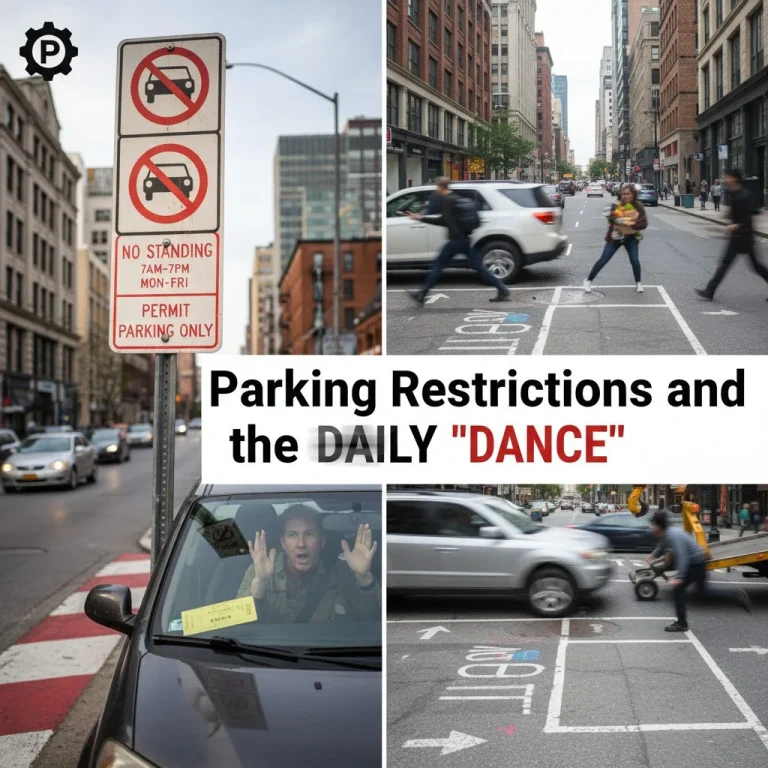
Parking Restrictions and the Daily “Dance”

Finding a legal place to stop in cities like Edinburgh, Glasgow, Manchester, and London is a daily battle. Strict enforcement means that a single mistake wipes out your profit for the day.
The statistics are alarming. Private parking companies are set to hand out a record 14.5 million tickets to drivers this year. This constant risk throws delivery schedules off-kilter. In London alone, boroughs issued a total of 9,462,185 Penalty Charge Notices in the 2024-25 period. Aggressive enforcement and a lack of loading bays require you to be hyper-aware of where you stop, even for a moment.
Managing the Financial Squeeze
The cost of keeping a van on the road has never been higher. We can no longer ignore the financial pressure tightening around our sector. My finance team and I sat down last month to review our fleet insurance renewals, and the premium hikes were steep.
Recent data shows that courier insurance in the UK usually costs between £1,450 and £2,150 per year for comprehensive cover. This is significantly higher than standard van insurance because insurers view our work as high-risk.
Beyond insurance, Clean Air Zones (CAZ) directly impact your bottom line. Cities like Bristol, Manchester, and Sheffield are expanding their zones. If your vehicle does not meet Euro 6 standards, you must pay daily charges. The expansion of the Ultra Low Emission Zone has been one of the most talked-about changes for London couriers, forcing many to upgrade their fleets or face charges of £12.50 per day.
While we cannot control global oil markets, we can control how we consume resources. Even though transport prices fell further across the board in February 2025, volatility remains a threat.
Strategies to Mitigate Rising Costs:
- Optimise Fuel Consumption: Gentle acceleration and anticipating traffic flow significantly reduce fuel consumption.
- Intelligent Route Planning: Utilise software to identify the shortest, most fuel-efficient paths.
- Green Vehicle Transition: Electric vans offer lower running costs, though the initial switch requires planning.
The Electric Vehicle Dilemma and Weather Disruptions

The push for sustainability presents a complex hurdle. The government’s Zero Emission Vehicle (ZEV) mandate requires 28% of new van sales to be electric in 2025, yet the infrastructure lags. Many of my drivers worry about range anxiety and the availability of charging points on rural routes.
Statistics indicate that UK van sales fall as the electric push hits a wall, largely due to these infrastructure gaps. However, early adopters often gain an advantage by securing green contracts with eco-conscious clients.
Beyond the vehicle type, the environment itself is becoming more hostile. Extreme weather disrupts supply chains frequently. A recent industry analysis highlights that companies report local supply chain disruptions due to severe weather at a rate of over 10%, a figure that continues to rise. We utilise predictive weather intelligence to modify delivery windows before a storm hits, protecting both the driver and the cargo.
Security: The Threat of Parcel Theft
Theft remains a persistent enemy for every courier driver. Porch piracy has surged to unprecedented levels. Several media reports across the UK indicate that the value of parcel theft has nearly doubled in the last year, reaching a staggering £666.5 million across the UK.
We address this by enforcing stricter proof-of-delivery protocols. Secure drop boxes and smart lockers act as the primary defence. Many couriers now partner with local businesses to establish Pick Up Drop Off (PUDO) points. Additionally, high-definition video doorbells and photo-on-delivery requirements provide the concrete evidence needed to dispute false claims.
Customer Expectations and Mental Health
Customers now expect “peace of mind” rather than just a package. They want real-time tracking, precise time slots, and immediate communication. The “last mile” is the most expensive and complex part of the chain. You are not just delivering a parcel; you are the face of the brand at the doorstep.
However, the rush to meet these targets often comes at a personal cost. Drivers face mounting pressure, with 964,000 workers reporting work-related stress, depression, or anxiety in the latest annual statistics. I have watched talented drivers burn out simply because they ignored the early warning signs of exhaustion.
Recent industry data reveals a concerning trend where mental health conditions remain the primary driver of work-related ill health. We cannot treat this job as a sprint; it is a marathon that requires scheduled rest and active stress management. According to a forward-looking industry analysis, automation and AI are key trends for 2026 delivery logistics. Embracing these tools reduces cognitive load, transforming a chaotic day into a manageable series of tasks.
Join the Q Couriers Fleet
Q Couriers actively recruits dedicated individuals to support our partner operations with UPS. We value drivers who understand the importance of customer service and operational safety. Our fleet covers extensive routes, and we currently deploy drivers across Liverpool, Manchester, Warrington, Dundee, Perthshire, and Aberdeen.
Apply today to join our team if you are ready to take on a rewarding role with a supportive network.

My Answers to your Questions
Is the driver shortage getting worse?
Yes. The industry faces a shortage of skilled drivers. Reports highlight that the UK courier driver shortage will continue into 2025, driven by rising demand and an ageing workforce. We are competing with the HGV sector, which often offers higher wages, making recruitment for van couriers difficult. The UK delivery sector faces a deficit due to rising demand.
Is a Courier Driver a Good Job?
You will find this career rewarding if you enjoy independence and tangible results. The role offers stability and flexible hours, but it demands physical stamina and patience. Drivers must handle customer interactions professionally and maintain vehicles diligently.
What Are the Top Challenges Courier Drivers Face?
- Traffic Congestion: Urban gridlock significantly increases delivery times.
- Parking Fines: Aggressive enforcement leads to millions of penalty charge notices.
- Rising Costs: Insurance premiums and fuel prices require strict budget management.
- Net Zero Targets: Compliance with Clean Air Zones forces capital investment in newer vehicles.
- Customer Demands: The expectation for precise, tracked, same-day delivery adds pressure.
What Is a Common Courier Issue?
Couriers frequently encounter package theft, incorrect address data, and unpredictable weather delays. You will also face mechanical breakdowns and strict time windows. Successful drivers develop problem-solving skills to manage these daily variables without compromising service quality.
What Are Some Interesting Facts About Couriers?
The history of courier services spans from ancient foot messengers to today’s drone experiments. Modern route optimisation allows you to complete deliveries faster than was possible just a decade ago. A courier driver operates as a critical node in the global supply chain, sustaining the economic flow that keeps communities functioning.

Martin Smith is an industry expert with more than 30 years’ experience in the parcel delivery and logistics. Martin is considered an industry professional in the UK Courier World.


