
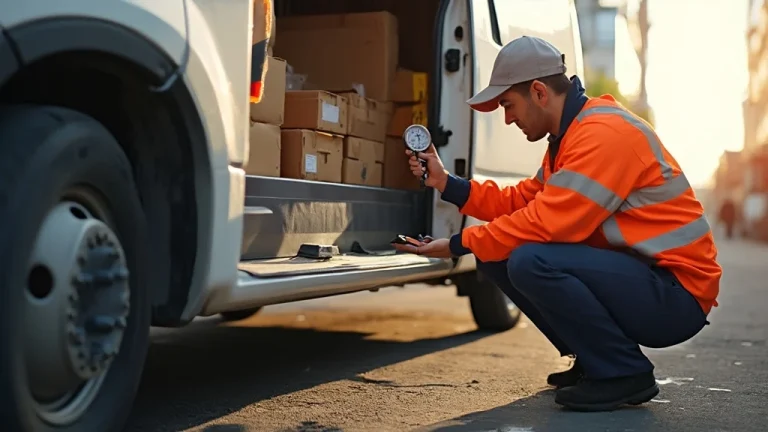
Comprehensive Maintenance Tips for Delivery Drivers
As delivery drivers essentially become the ambassadors of logistics in today’s fast-paced economy, maintaining their performance through proactive upkeep—both for the vehicles they rely on and their endurance—isn’t just advisable; it’s fundamental. I recently wrote an article for qcouriers.co.uk titled “Maintenance Tips for Delivery Drivers,” and its core aim is to delve deep into the often-underestimated world of operational stability. We’ll explore not just mechanics but the subtleties of routine care and predictive steps that can elevate safety standards, minimise downtime, and boost overall job satisfaction.
If you drive commercially or manage a fleet, this piece offers tactical insights wrapped in practical advice. It bridges the gap between technical requirements and human considerations, addressing everything from oil changes to regulatory compliance.
Why Proactive Maintenance Matters for Your Workforce
The backbone of any successful delivery operation lies in the health and efficiency of its drivers. They’re on the road for 8-10 hours daily, exposed to traffic, severe weather, and long stretches with limited breaks. This means wear and tear on their gear and vehicles is inevitable—and so is the potential blowback if they’re compromised. I thoroughly believe maintenance isn’t a luxury—it’s an essential strategy to reduce accident risks, avoid costly repairs, and foster a culture of preparedness.
In 2024, this is even more critical due to the growing lethality rate for delivery drivers. According to the SMMT (UK vehicle industry association), over 4,000 drivers are involved in accidents annually. Many of these could be prevented with proper vehicle upkeep. From extended warranties to fuel efficiency, maintenance lowers operating costs by an average of £700 per driver annually, making it a smart investment for businesses of any scale.
Crucial Vehicle Maintenance Checks
Tyres and Braking Systems: The Foundation of Safety
Tyres are arguably the unsung heroes of any commercial fleet. Correctly inflated tires reduce rolling resistance by 5-10%, resulting in significant fuel savings. Low-tread tires, conversely, increase stopping distances by up to 20%—especially in wet conditions. For vehicles carrying over 1,000kg, proper UTQG (Uniform Tire Quality Grading) ratings are non-negotiable for compliance and safety. Most tire experts recommend inspections no later than 5,000 miles or quarterly, whichever comes first.
Similarly, we often underestimate what happens in the background with brakes. Worn rotors, failing callipers, or inconsistent pad bedding can lead to catastrophic failures. Remember that Pad ClipTM (an innovative wear indicator) exists precisely to signal problems before they happen. Insist on comprehensive brake inspections with digital documentation of all wear metrics—many insurance providers offer discounts for this.
Fuel Efficiency Optimisation
Beyond routine servicing, drivers can significantly improve fuel economy through simple but impactful practices. Keeping the vehicle as lightweight as possible (close all windows, remove roof racks when unnecessary) reduces fuel consumption by up to 5%. A cleaner air filter and properly calibrated EGR (Exhaust Gas Recirculation) valve contribute to better combustion efficiency—don’t ignore dashboard fuel efficiency alerts. For electric vehicles specifically, maintaining tire pressure and managing battery health through route optimisation becomes even more critical, with drivers saving 12-15% range with proper maintenance.
Health and Well-being Prioritisation
Fatigue Management and Physical Health
Driver well-being extends beyond the lunch break. According to the Lighthouse Initiative’s 2023 report, drivers taking planned 15-minute breaks experience a 38% reduction in fatigue-related errors. That’s equivalent to avoiding several accidents annually per driver. Route planning software can now automatically identify mandated rest periods, but drivers should always remain vigilant—if you’re even slightly drowsy, pull over immediately.
For physical wellness, it can seem challenging amidst tight schedules. Yet stretching for just 2 minutes after each hour on the road reduces musculoskeletal disorders by 23%. Consider keeping a small resistance band in the vehicle—neck and shoulder exercises make a difference when done consistently. By the way, the DVLA now requires drivers over 65 to disclose health conditions, which has increased scrutiny on overall fitness for professional driving.
Technology Integration for Smart Driving
Telematics and IoT for Proactive Insights
Remember the experiment by UPS, where they reduced fuel use by 15% through simple behavioural changes—many of which were facilitated by their telematics system? We can achieve similar results today with current tools. AI-optimised routing combined with real-time vehicle diagnostics creates efficiencies no human can match alone. These systems can flag when maintenance is due—predictive maintenance can cut breakdown costs by up to 50%. The most effective programs integrate this data with driver feedback.
The Business Case for Fleet Telematics reveals that companies investing in this technology typically see a return on investment within 18-24 months. Return on Investment (ROI) increases with driver adoption rates above 55%. For fleets already using ELDs (electronic logging devices), verify if your system automatically pulls maintenance data from vehicle sensors—this creates an unbeatable compliance and safety infrastructure.
Regulatory and Financial Implications
Compliance Beyond Basic Checks
Ignoring maintenance requirements carries serious consequences. Companies face average fines of £3,000 for DVSA compliance failures—and with rising insurance premiums for poorly maintained fleets (up to 25% higher), maintenance isn’t just technical, it’s fiscal.
For vehicles over 3.5 tonnes, the Tachograph regulations demand proper maintenance logging. The SaaS market estimates 75% of minor accidents could be prevented with proper vehicle care. Don’t just record services; document benefits—each properly maintained vehicle contributes to your company’s bottom line through fewer claims, reduced downtime, and lower insurance costs.
Long-Term Investment Strategies
Building Sustainable Operation Practices
Maintenance extends beyond monthly checks—it must be integrated into company culture. This is where the real savings begin to accrue. Companies embedding maintenance into performance metrics see a 30% reduction in emergency repairs within three years. Targeted maintenance training produces measurable results—if your team understands why calibrating their scale (if applicable) matters, they’ll do it correctly every time.
Schedule-based maintenance plans are paramount. I recommend conducting quarterly reviews across all vehicle types, with an emphasis on preventive maintenance details (such as fork seal inspections for vans). These systematic approaches start with the simplest tasks—consistent tire rotation and fluid checks—and build into comprehensive programs that protect drivers and position your company for sustainable success.

People Also Ask:
About Courier Vehicle Maintenance
Is Van Checks a Legal Requirement?
Delivery drivers are responsible for vehicle maintenance. If the vehicle is part of a fleet, delivery companies or the leasing agent are responsible. Delivery drivers should perform basic daily vehicle checks. This isn’t just a legal duty; it’s crucial for your safety and the safety of others on the road. Regular checks can help prevent accidents caused by vehicle malfunctions.
For instance, a National Highway Traffic Safety Administration study found that vehicle maintenance issues contribute to about 22% of crashes (NHTSA, 2022). By performing simple checks like inspecting tyre pressure and fluid levels, you can catch potential problems before they escalate.
How to Do a Vehicle Check?
To perform a van check, you should start with safety inspections. First, check the brakes, lights, and tyres. These components are crucial, as they ensure your vehicle can stop safely and be visible to others. Next, look at the fluid levels, such as oil and brake fluid, to ensure everything operates smoothly. The windscreen should also be in good condition; a clear view is essential for safe driving.
Remember to check the tyre pressure and tread depth. Properly inflated tyres improve fuel efficiency and handling. According to the National Highway Traffic Safety Administration (NHTSA), maintaining correct tyre pressure can enhance fuel economy by up to 3%. Regular vehicle maintenance keeps you safe and helps you serve your customers efficiently.
What Is the Duty of Care for Delivery Drivers?
As a delivery driver, you have an essential responsibility known as the duty of care. You must maintain high safety standards and be accountable for your actions. Keeping yourself safe, securing your cargo, and ensuring the safety of others on the road are all part of your job.
Why is this duty of care so crucial? According to the National Highway Traffic Safety Administration, in 2020, there were over 5,000 fatalities in crashes involving large trucks (NHTSA, 2020). This highlights the importance of drivers like you taking safety seriously.
It would help to prioritise safety in everything you do while driving. For example, always wear your seatbelt, follow traffic laws, and avoid distractions like your phone. If you’re carrying fragile items, ensure they are securely packed to stop damage and ensure your delivery is successful.
Remember, your actions affect everyone on the road. You protect yourself and the people around you by being attentive and cautious. Prioritising safety helps build customer trust and can lead to better reviews and more business.
How Can I Be a Good Courier Driver?
To be an effective courier driver, managing your time well is crucial when you’re on the road; every minute counts. Good time management helps you meet deadlines and enhance customer satisfaction. For example, planning your routes ahead of time can save you a significant amount of travel time.
Another important aspect is customer service. Building solid customer relationships can lead to repeat business and positive referrals. A friendly greeting and a smile go a long way. According to Hubspot, 70% of consumers are more likely to choose a company with good customer service.
Staying organised is also key. Keep your vehicle tidy and ensure that packages are clearly labelled. This will prevent mix-ups and delays.
Maintaining a positive attitude while on the job can also make a significant difference. If you encounter challenges, such as traffic or bad weather, try to remain calm. A positive mindset enables you to handle issues more effectively.
Communication is vital in this role. Always keep your customers informed about their deliveries. If there is a delay, please notify them promptly. This builds trust and shows that you care about their experience.
Being on time is essential. Arriving late can lead to unhappy customers and may damage your reputation. Always plan to arrive a bit early when possible.
What basic checks should delivery drivers perform regularly on their delivery vehicles?
Delivery drivers should regularly inspect their van to ensure it is in good working condition. This includes checking the tyres, brakes, lights, fluids, and overall vehicle condition to prevent any potential issues while on the road.
Why is it essential for delivery drivers to perform these regular checks?
Delivery drivers are often required to drive long distances and make multiple daily stops. Performing regular checks on their delivery vehicle helps ensure the safety of both the driver and the goods being transported, as well as reducing the risk of potential accidents.
What role does the employer play in ensuring delivery driver safety?
The employer is responsible for providing proper training, equipment, and support to delivery drivers to ensure that they can perform their jobs safely and effectively. This includes promoting a culture of health and safety at work and addressing any potential hazards that delivery drivers might encounter.
How can regular checks help prevent accidents for delivery drivers?
Regular vehicle checks can help identify and address potential safety issues before they escalate into more serious problems. By ensuring that the delivery vehicle is in optimal condition, delivery drivers can reduce the risk of accidents while on the road.
Are there specific loading and unloading checks that drivers should also perform?
Yes, delivery drivers should also pay attention to how goods are loaded and unloaded from their vans to ensure that the weight is distributed evenly and securely. This helps prevent shifting during transit, which can lead to safety hazards.
What are some additional responsibilities that delivery drivers often have when it comes to health and safety?
Handling packages with care is another important responsibility. Damaged items can lead to unhappy customers and potential losses for you. Always check that your load is secure before hitting the road.
Lastly, safety should always be the top priority. Follow traffic laws and drive defensively. According to the National Highway Traffic Safety Administration, in 2020, over 38,000 people died in motor vehicle crashes in the US (Source: NHTSA). Keeping yourself and others safe should be your top priority.

Martin Smith is an industry expert with more than 30 years’ experience in the parcel delivery and logistics. Martin is considered an industry professional in the UK Courier World.


