
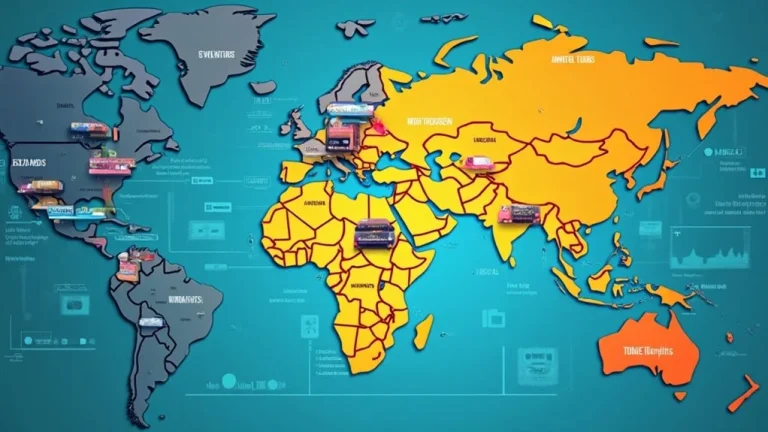
The UK courier market is booming and is expected to grow to £23.6 billion by 2028.
Online shopping has changed how we buy things, with over a quarter of retail sales now happening online. This means more parcels need quick delivery – whether the next day or even the same day.
What’s exciting is how delivery companies are getting greener. Take DPD, UPS and Amazon, for example. They’ve put electric vans on the roads in over 100 UK cities, leading the charge in eco-friendly deliveries.
Smart tech is changing, and so are things. Courier companies now use clever AI systems to determine the best delivery routes.
The future looks bright for UK courier services. As online shopping keeps growing, businesses find new ways to deliver parcels faster and cleaner.
Whether electric vehicles or innovative routing technology, these changes improve deliveries for everyone.
I have seen Christmas periods where an entire warehouse transforms overnight. I have seen some couriers go from handling 2,000 parcels to nearly 8,500 daily in just three days! We have had veteran drivers standing and watching the mountains of packages being filled and packaged in the sorting areas. That’s when I truly understood how online shopping had changed everything about our business.
These trends show there’s plenty of room for growth in UK deliveries. The industry is changing fast from green transport to smart tech solutions to meet customers’ wants.
The Rise of E-commerce and Its Impact on Courier Services

The UK’s online shopping boom has transformed how courier services operate, with digital sales making up nearly a fifth of all retail purchases. British delivery companies are racing to keep up with this massive shift as the sector heads towards a whopping £500 billion value by 2030. Recent changes in shopping habits mean couriers must work smarter and faster than ever before. E-commerce sales reached 26.5% of retail in 2022, showing the industry’s dramatic growth. The surge in online drives drives many fleet managers to adopt just-in-time delivery approaches to meet consumer demands.
Getting parcels to customers quickly isn’t just a nice extra anymore – it’s what makes or breaks a delivery service these days. UK shoppers expect their orders to arrive faster than ever, often wanting next-day or even same-day delivery. This has pushed courier firms to upgrade their systems and delivery handling services. Industry experts predict global shipment volumes will surge dramatically by 2027.
From local startups to industry giants, delivery companies across Britain are adapting to these new challenges. They’re using better tech, expanding their networks, and finding clever ways to meet customer needs. It’s an exciting time for the industry, with new solutions popping up to tackle the growing demands of online retail.
Sustainable Solutions Transforming Delivery Operations
The UK delivery sector is going, and it’s changing how parcels reach our doorsteps. Leading UK courier DPD has already rolled out electric vans across 97 cities, making deliveries cleaner and quieter. More companies are switching to HVO fuel, which cuts harmful emissions by 90% compared to regular diesel. It’s exciting to see new delivery methods – from drones buzzing through the skies to electric bikes zipping down city streets. Even small courier firms do their bit by using eco-friendly packaging and more innovative, more intelligent routes to use less fuel. These changes aren’t just good for the planet; they’re also helping delivery companies save money. The shift to green delivery is happening right now, with many UK logistics firms promising to reach net-zero emissions in the coming years. Innovative companies are implementing end-to-end paperless solutions to streamline operations and reduce environmental impact. With last-mile delivery expected to see 78% growth by 2030, the push for sustainable solutions has never been more critical. Digital tracking systems require JavaScript enabled to provide real-time delivery updates.
Digital Innovation and Technology Integration

The UK courier industry has changed dramatically thanks to digital tech and online shopping. British delivery firms innovated innovative technology to handle the massive rise in home deliveries. Leading UK carriers like Royal Mail and DPD are testing blockchain systems and smart sensors to modernize their operations. These clever tools help track parcels in real-time across Britain’s roads and warehouses. Many implement RFID readers to scan entire delivery pallets instantly, boosting warehouse efficiency. Advanced analytics and big data help logistics teams make more intelligent decisions by uncovering valuable patterns in delivery operations.
Want to know how your parcel gets to you so thoughtfully? Thoughtful route planning powered by AI helps drivers find the fastest way through busy UK streets. The monitors are eye on vehicle health and manage warehouse stock levels. This means fewer delays and happier customers.
Gone are the days of wondering where your package is. Today’s tracking systems let you follow your delivery’s journey from start to finish. Plus, smart warehouses can spot potential problems before they cause delays. It’s like having a digital ensuring everything runs smoothly in the background. The industry’s push toward digital solutions will help the market reach USD 751.07 billion by 2031.
Market Dynamics: Domestic Vs International Growth
The UK courier market tells a fascinating story of change and growth. While local delivery services still make a big market, overseas shipping rates are high. The UK courier and express parcel market is set to hit around £24 billion by 2028, with London and other major metros leading the charge. British businesses are sending more parcels abroad than ever, especially to Europe and Asia, driving international delivery growth at about 7% yearly. It’s fascinating to see how the market is shifting – domestic services are solid and reliable, but cross-border deliveries are where we see the real excitement. Companies are adapting their services to local and international needs, with many UK carriers forming partnerships to reach more countries. The industry’s push toward sustainable green logistics is reshaping how parcels are delivered across borders. Experts project the market will experience steady growth at a compound annual rate of 6.2% through 2030.
Infrastructure Development and Future Expansion

Growing delivery networks across the UK face unique infrastructure challenges, especially in remote areas and smaller towns. Wise investment in local facilities and strong partnerships with regional carriers can help tackle these issues head-on. Team up with established UK logistics providers to bridge service gaps while upgrading your warehouses with modern tech. This innovative approach helps cut costs and opens new markets across Britain’s diverse regions.
Modern logistics infrastructure can significantly reduce transportation delays, making delivery networks more efficient and reliable. You can tap into their knowledge of regional routes and delivery patterns by working with trusted local partners. Modern warehouse systems and digital tracking tools make managing deliveries in busy cities and rural spots easier. Plus, you’ll be better equipped to handle seasonal peaks and changing customer needs throughout the UK. Rapid urbanization is creating new opportunities for courier services in emerging metropolitan areas.
Remember that each region has its delivery quirks and challenges. What works in London might not suit Scotland’s Highlands. Focus on building flexible systems that adapt to different areas while keeping your operation smooth and cost-effective.
The UK Courier Industry is Changing
The UK courier market is changing fast, bringing new delivery methods nationwide. British e-commerce grows 8.5% yearly, pushing delivery companies to adapt quickly. UK couriers use electric vans, intelligent tracking systems, and better ways to handle doorstep deliveries to stay ahead.
Local delivery firms partner with other firms while others invest in modern sorting hubs across Britain. This helps them handle more parcels and serve more customers. The UK courier sector, worth £27 billion, shows no signs of slowing down.
From London to Edinburgh, delivery companies use route planning apps and green vehicles to cut costs and help the environment. These changes make deliveries faster and cleaner, which is excellent for businesses and customers getting their parcels.
Questions People Also Asked: Q&As
How Do Weather Conditions Affect Courier Delivery Times and Contingency Planning?
British weather can be challenging for deliveries, but UK courier services have innovative ways to handle it. Rain, snow, and fog might slow things down, but modern tech helps keep parcels moving. Most UK delivery companies now use live tracking and clever route planning to work around bad weather.
Think of it like having a backup plan for every weather hiccup. When storm clouds gather, drivers can switch routes in real time. Special weather alerts help them dodge the worst spots while tracking systems keep customers in the loop about any changes.
I remember a storm a few years back where several couriers and trucks were stuck in the streets due to the sheer volume of snow and sleet. We had hundreds of undelivered parcels. But we had a plan and managed to get every package delivered. I have even used off-road vehicles to deliver packages in the Highlands and Perthshire areas. A key factor is using the right weather app. The one I used showed the streets that were already ploughed.
These tools make a real difference on those typical British rainy days. Couriers can spot trouble ahead and find better ways around it, helping your package arrive as close to time as possible, even when the weather isn’t playing nice.
What Insurance coverage options are available for Hhigh-value courier deliveries
When shipping valuable items in the UK, you’ve got several insurance options to keep your cargo safe. Most UK courier services offer basic coverage in your shipping cost, but it might not be enough for high-value items. You can pick from enhanced liability coverage through the courier company or get specialist cargo insurance from UK-based providers for better protection.
For those extra-precious shipments, comprehensive all-risk insurance is your best bet. It covers everything from theft and damage to loss during transit. Many UK logistics firms partner with top insurers to offer bespoke coverage based on what you’re shipping and where it’s going.
The cost usually depends on your package value, but it’s a small price compared to losing an expensive item. Top UK courier companies like DHL and FedEx offer declared value coverage, while specialist insurers can tailor policies for unique or particularly valuable shipments.
How Do Courier Companies Handle Customs Clearance for International Deliveries?
Primary UK courier services handle customs clearance through streamlined digital processes. You’ll need accurate paperwork, including commercial invoices and customs declarations, which most couriers now process electronically. Companies like Royal Mail and DHL UK work with trusted customs brokers to speed things up. They submit your documents before the package arrives, making clearance faster and smoother. Many UK couriers offer online tools to help you fill out the proper forms and calculate any duties or taxes you might need to pay. This helps avoid delays at customs and keeps your international deliveries moving.
What Security Measures Protect Packages From Theft During Transit?
UK couriers protect your parcels with intelligent tracking systems and harsh security measures. You can follow your package’s journey through your phone or computer. Each box gets special tamper-proof seals and travels in plain packaging to avoid drawing attention. Many delivery vans now use GPS tracking, while packages stay safe in secure warehouses between stops. Trained drivers and warehouse staff follow strict security rules to protect your deliveries from collection to delivery.
How Do Courier Companies Determine Pricing for Remote or Hard-To-Reach Locations?
UK courier companies set their remote delivery prices using several key factors. The main ones are how far the delivery location is from significant routes, whether it falls within specific postcodes marked as remote, and the size and weight of your package.
Most UK carriers like Royal Mail and DPD use special mapping tools to work out these tricky routes. They look at Scottish Highlands postcodes or small islands that need extra transport links. The harder it is to reach a place, the more it typically costs to deliver there.
Time matters too – if you need a quick delivery to somewhere remote, you’ll pay more than for a standard service. Some spots might only get deliveries on certain days, which affects the price you’ll pay.
The good news is that many UK couriers now have handy online calculators where you can check remote delivery costs before you book. Just pop in your postcode and package details to clearly understand what you’ll need to pay.

Martin Smith is an industry expert with more than 30 years’ experience in the parcel delivery and logistics. Martin is considered an industry professional in the UK Courier World.


