
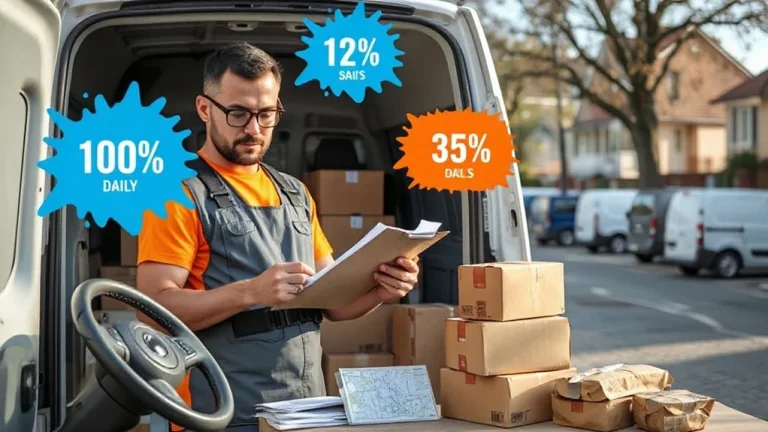
Daily tasks keep UK courier drivers performing at their best.
They help you plan smarter routes, deliver more packages efficiently, and keep customers happy. By organising your workday, you’ll complete more deliveries while using less fuel and making fewer mistakes.
A solid routine balances your work responsibilities with personal needs, preventing burnout during peak seasons like Christmas or Black Friday. Managing daily tasks builds valuable skills that UK logistics employers value – from knowing local shortcuts to solving delivery problems on the fly.
Task management tools now used by major UK courier companies like DPD and Hermes help drivers track their progress throughout the day.
This structure makes your workday more predictable, even when handling unexpected situations like traffic delays on the M25 or postcode challenges in rural areas.
Beyond finishing your delivery list, good daily habits make you more professional and reliable in Britain’s competitive delivery market.
The Fundamental Role of Task Management in Courier Success

The Key to Courier Success: Smart Task Management
Many people think courier work involves driving packages around. In reality, good task management is what makes or breaks delivery success in the UK logistics industry.
You instantly become more efficient and reliable when you map out each job—collecting parcels from a warehouse or delivering to a customer.
Brilliant couriers in Britain prioritise urgent deliveries first, plan the best driving routes, and schedule their day wisely. Implementing route optimisation software can significantly reduce manual errors and enhance delivery efficiency. Utilising dashboards provides couriers with visual key metrics for better decision-making during their routes. You’ll need to monitor your van’s condition, watch your fuel use, and organise your delivery equipment properly. A comprehensive courier management system provides drivers with real-time information needed for successful deliveries. Successful task management requires double-checking information to avoid costly mistakes and ensure accurate deliveries.
The best UK delivery drivers juggle many things at once. They track multiple packages, handle paperwork, and still deliver with a smile. Getting this balance right means happier customers and more successful deliveries across the UK.
How Daily Routines Enhance Delivery Efficiency and Customer Satisfaction
Let’s look at how regular daily habits turn good ideas into tangible results for UK couriers.
You’ll quickly see your delivery work improve when you follow set routines. Smart route planning cuts fuel costs and saves time on UK roads, helping you complete more daily drop-offs. Most experienced couriers begin their workday around 06:00 hours to maximise daily productivity. Putting your tasks in the correct order means fewer unnecessary detours around British towns and cities, making your workday flow better. Establishing well-defined schedules promotes timely deliveries without creating pressure to rush dangerously on the road.
These improvements directly help your customers, too. On-time deliveries build trust with UK shoppers who increasingly expect reliability. Many British delivery firms now offer tracking updates that keep customers in the loop. Research shows that 41% of shoppers expect packages within 24 hours of ordering, highlighting how important timely deliveries have become. You’ll notice that when you deliver consistently, people become loyal customers and complain less. Plus, having a proper routine helps you handle typical UK challenges like motorway traffic and rainy weather, keeping your service quality high even on difficult days.
Following structured routines doesn’t just make your job easier—it makes your customers happier too.
Building Professional Skills Through Consistent Task Completion

Building Your Career Skills Through Daily Courier Work
You gain more than just completed deliveries when you finish your daily routes. You’re building skills that make you more valuable in the UK logistics industry.
Every street you find helps you know Dundee, Manchester or Edinburgh better. Talking with customers improves how you handle different people and situations.
Doing your job regularly builds essential abilities. You’ll get better at managing your time when navigating busy city centres during rush hours. When packages won’t fit through doors or recipients aren’t home, you solve problems quickly. Seeking mentorship opportunities from experienced drivers can provide you with practical insights that formal training might miss.
Looking after your van or bike teaches you to spot minor issues before they become big problems. Regular vehicle maintenance significantly reduces the risk of breakdowns that could delay your deliveries and affect customer satisfaction. The delivery notes you complete help Royal Mail and other companies track millions of parcels across Britain.
Using route planning tools like those UPS and Q Couriers drivers rely on makes you comfortable with new tech. You learn to stay calm under pressure when you handle challenging situations—like bad weather in Scotland or traffic in the Midlands. Daily delivery work helps develop situational awareness as you constantly scan your surroundings for potential hazards while driving.
These skills don’t just help you deliver parcels better. They prepare you for growth in the UK’s £95 billion logistics sector, whether you stay on the road or move into operations management.
Balancing Workload and Well-being in the Courier Industry
Finding Your Balance in the UK Courier Industry
Working as a courier in the UK means juggling tight deadlines with your well-being. Thoughtful route planning and packing your van can slash your stress levels while keeping deliveries on track. Organising packages with dividers or compartments prevents time-consuming searching at each delivery stop.
Make the most of flexible scheduling options that many UK logistics companies now offer. Drawing clear lines between work time and home time helps prevent burnout. Breaking your delivery area into manageable zones works wonders, especially when you tackle priority packages first. Practicing self-compassion when deliveries don’t go as planned is essential to avoid burnout and maintain effectiveness in your courier role.
Quick breathing exercises between drops can make a real difference to your day. Many UK drivers find that short breaks improve their delivery rates rather than slowing them down. Implementing courier management systems can provide real-time tracking and optimise your routes for maximum efficiency. The e-commerce boom has created unprecedented demand for last-mile delivery services, making efficient route planning more crucial.
The right apps make a significant difference on British roads. Traffic alerts help you dodge motorway jams, while courier systems keep you updated without distracting you. Connecting with other drivers creates a support network that’s just as important as hitting your targets.
Why Are Daily Tasks Essential for Courier Drivers?
Daily routines aren’t chains that hold you back as a courier driver – they’re your secret weapon for success. You’ll deliver more parcels faster by following consistent tasks daily, build better customer relationships, and sharpen your professional skills.
UK logistics experts at CitySprint and Yodel have found that structured workdays help drivers handle the unexpected challenges on British roads. When your vehicle checks, route planning and paperwork habits are sorted, you can adapt quickly when traffic snarls up the M25 or when the weather turns nasty.
A sound daily system protects your well-being, too. The Royal Mail reports that drivers with clear routines suffer less stress and fewer injuries. Your daily discipline isn’t just about today’s deliveries – it builds the foundation for your long-term success in the UK’s growing delivery sector.
Answers to Your Questions
How Do Couriers Handle Package Theft or Delivery Disputes?
UK couriers tackle package theft with practical security measures that protect your deliveries. Most services use real-time tracking, photo proof of delivery, and secure signing options. Royal Mail and Hermes often place parcels in safe spots or with neighbours when you’re out, while DPD and Evri send text alerts before they arrive.
When problems arise, UK delivery companies have clear steps to sort things out. They check GPS data and delivery photos to verify what went wrong. Major carriers like DHL and UPS offer extra protection through insurance options for valuable items.
If your package goes missing, contact your courier’s customer service immediately. Most UK services respond within 24 hours and will start looking into it. Keep your tracking number handy – it’s the key to solving delivery disputes quickly.
What Technology Tools Are Essential for Modern Courier Drivers?
You need route-planning software to cut driving time and save on fuel. Popular UK options like Maxoptra and Stream help you find the quickest paths between stops. Package tracking apps let you scan deliveries and show customers exactly where their parcels are – essential for today’s expectations.
Most UK drivers use mobile apps that handle both navigation and proof-of-delivery in one. These tools send automatic alerts when you’re nearby and capture signatures when you drop off.
Smart drivers also use fuel-finding apps to spot the cheapest petrol stations along their routes. With diesel prices constantly changing across Britain, this can save significant money over time.
Don’t forget weather apps – crucial for planning around the UK’s unpredictable rain and occasional snow that might slow you down or block certain roads.
How Do Couriers Maintain Vehicle Readiness for Daily Operations?
Check your van or vehicle every morning before your routes. Look at tyre pressure, oil, coolant, and windscreen washer fluid to prevent breakdowns that could delay deliveries.
UK courier companies like Yodel and DPD recommend a quick five-minute check before each shift. This small habit saves money on significant repairs and keeps your vehicle reliable in all weather conditions.
Many drivers keep a simple maintenance log to track service dates and spot problems early. This practical approach helps extend vehicle life and maintains fuel efficiency during busy delivery periods.
Don’t forget to clean your vehicle regularly – it represents your company’s image and makes finding packages easier during your rounds.
What Insurance Requirements Exist for Self-Employed Courier Drivers?
Insurance is a must when you’re self-employed in the courier business. UK law requires courier van insurance – regular car insurance won’t cover commercial deliveries. This special cover protects you while you’re on the road making money.
Beyond the legal basics, smart drivers also get goods-in-transit insurance. This safeguards the packages you’re carrying if they get damaged or stolen. Public liability insurance is another wise choice, covering you if someone gets injured because of your work.
Your insurance costs will change depending on several factors. The van you drive, how old you are, your driving history, where you make deliveries, and where you park overnight all affect what you’ll pay. Shopping around for quotes helps you find the best deal for your situation.
Don’t cut corners on insurance – the protection is worth every penny when things go wrong.
How Do Couriers Manage Bathroom Breaks During Busy Routes?
Managing loo breaks on busy UK delivery routes takes planning. First, map public toilets, petrol stations, and cafés along your route. Apps like Flush can help you find them. Many UK couriers partner with shops and restaurants where they can use facilities without buying anything.
Build bathroom time into your schedule. Most logistics companies recommend a 10-15 minute buffer on routes over 3 hours. Plan for heavier traffic and fewer available stops during peak seasons like Christmas.
Carry an emergency kit with hand sanitiser and tissue. Some drivers use portable options only when necessary. Remember your rights too – UK employment law guarantees reasonable access to toilet facilities during working hours.
Thoughtful planning means you won’t need to rush deliveries or risk discomfort on your routes.

Martin Smith is an industry expert with more than 30 years’ experience in the parcel delivery and logistics. Martin is considered an industry professional in the UK Courier World.


