

What UK Customers and Retailers Expect
Last-Mile Logistics Trends: What UK Customers and Retailers Expect in 2026 Last-mile logistics — the final movement of goods from a depot or local hub
Q Couriers Director
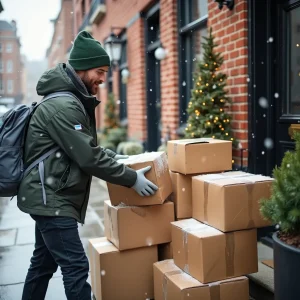
As the winter months approach, protecting your holiday shipments with effective, innovative weatherproofing solutions is essential. A well-known saying goes, “An ounce of prevention is worth a pound of cure.” This rings especially true regarding ensuring that your packages arrive safely and promptly during inclement weather.
As a courier business owner and a person with 20 years of experience in the industry, I’ve navigated countless winter seasons that have tested the limits of preparation and perseverance.
To start, consider using moisture-resistant poly mailer bags or double-wall boxes. These materials provide a sturdy defence against the elements, and adding clear plastic sleeves can help keep shipping labels visible, ensuring smooth delivery.
It’s also wise to check weather forecasts several days before your scheduled shipments. Doing so allows you to factor in extra time for delivery estimates, which is crucial during winter when delays are expected. For items sensitive to temperature changes, make sure to use appropriate insulation materials to protect them from extreme cold.
Additionally, set up automated real-time tracking for winter delivery notifications. This can enhance your customer experience and shows proactive communication about potential weather-related delays will help keep your customers informed and satisfied.
By implementing these proven strategies, developed by logistics professionals, you can help guarantee a successful winter shipping operation. Remember, when you take the time to prepare, you protect your shipments and serve your customers better.
– Use sustainable winter packaging materials.
– Monitor the weather closely.
– Communicate effectively with customers.
– Anticipate potential delays.
When shipping during winter, using weather-resistant packaging is crucial. It protects your packages from the harsh elements, ensuring everything arrives in perfect condition.
Poly mailer bags, for instance, offer superior moisture protection compared to standard cardboard boxes. Some sustainable winter packaging waterproof mailers take this a step further by combining protective bubble wrap with recyclable materials, providing enhanced security for your shipments.
For heavier items, consider using double-wall boxes. These boxes are designed to withstand severe winter weather, ensuring that your items remain safe and secure during transit. Place shipping labels in clear plastic sleeves or protective covers to keep shipping labels clear and legible. This simple step helps guarantee clarity during delivery.
If you’re shipping temperature-sensitive items, pay attention to the importance of thermal bubble wrap insulation. This extra layer of protection helps maintain the right temperature, safeguarding your products against extreme cold. By choosing these effective packaging methods, you can ensure safe delivery while also being mindful of the environment through the use of sustainable materials.
Maintaining safe and reliable transit is crucial for shipping operations when winter storms strike. To navigate these winter logistics challenges, it is essential to closely monitor weather forecasts and check with carriers several days before scheduled deliveries. This preemptive approach allows for seamless operations and helps mitigate potential disruptions.
To enhance efficiency, consider adding extra buffer time to delivery estimates, as winter storms can lead to significant delays. Additionally, developing clear contingency plans with logistics partners is essential. These plans enable quick adjustments when the weather impacts delivery schedules. Utilising tracking systems can help monitor shipments and provide customers with timely updates regarding any changes.
Effective communication plays a vital role in setting appropriate expectations during severe weather. Keeping customers informed fosters trust and understanding, even when challenges arise. Implementing these preventive measures protects shipping operations and helps maintain customer satisfaction during winter.
Temperature-sensitive packaging for cold weather is vital if shipping items such as perishables.
Temperature control during shipping is crucial, especially in winter. Various protective measures must be carefully considered to ensure that products arrive in perfect condition. High-performance insulation materials, like polyurethane foam and thermal bubble wrap, tirelessly keep temperature variations at bay.
Monitoring the temperature throughout the shipping process is essential. This means using systems that can track conditions in real-time, ensuring everything stays within the required temperature range. Packaging must also be tailored to meet the specific needs of the transportation method. Collaboration with third-party logistics providers is necessary to ensure that all temperature-sensitive shipping regulations are diligently followed.
Moreover, package design should consider precise measurements and include moisture protection to avoid condensation damage. Utilising phase change materials can significantly enhance temperature stability during transport, providing additional protection.
Carriers play a vital role, too. They must adhere to proper handling protocols for temperature-controlled cargo, especially in winter. After all, it’s not just a matter of shipping products; it’s about ensuring that the items we send—life-saving medications or delicate food items—reach their destination in the best possible state.
When the temperatures drop and winter weather sets in, it becomes crucial for businesses to provide clear package tracking updates. Customers check their tracking information about 3.5 times for every order they place, making it essential to keep them informed.
To guarantee customer satisfaction, implementing automated notifications about packing, shipping, and possible weather delays can offer the reassurance that recipients need. Such notifications can help ease any anxiety from delayed deliveries during the chilly months.
Creating preemptive alerts about potential delays is an effective strategy. This reduces customer concerns and minimises the number of service inquiries, especially during peak shipping times in winter. Keeping open lines of communication about the status of shipments can help maintain trust and confidence among customers, even when the weather is unpredictable.
Encouraging customers to utilise delivery management platforms, like FedEx Delivery Manager, can further enhance their shipment visibility and control. By doing so, they can track their packages more effectively and stay informed every step of the way.

Seasonal shipping preparation and delivery time management are crucial for successful shipping, especially during busy holidays. Three critical factors must be considered to ensure timely deliveries: monitoring weather, extending transit times, and strategic scheduling.
First, monitoring weather patterns at both departure and arrival locations can help predict potential delays. This foresight is essential during winter when unpredictable weather can disrupt shipping routes.
Second, it’s essential to extend standard transit schedules. Adding extra days during major holidays can enhance delivery performance even when weather conditions are less than ideal. This proactive approach can lead to better customer satisfaction.
Third, it’s vital to create realistic delivery timeframes when communicating with customers about their shipments. This transparency helps manage expectations and balances the increased seasonal volume with the logistics winter challenges that arise.
Implementing these strategies can significantly improve your seasonal delivery management and enhance customer experience.
By focusing on these key areas, businesses can successfully navigate the challenges of seasonal shipping while better serving their customers.
Shipping during the winter can pose unique logistics winter challenges, even for those who are well-prepared and experienced in various packaging methods. Despite our best efforts, temperature-sensitive items can still suffer damage due to the cold. However, research shows that implementing adequate temperature controls and maintaining consistent tracking of shipments can prevent over 80% of potential cold-weather shipping issues.
One valuable lesson from my experience is the importance of real-time updates. By monitoring the weather closely and maintaining open communication, we can reroute the delivery and guarantee parcels arrive with minimal delay. Winter-proofing isn’t just about packages—it’s about people and livelihoods.
Winter logistics are unpredictable, but each season sharpens our strategies and strengthens our resolve. These experiences taught me that while technology and planning are crucial, adaptability and genuine care set successful courier services apart. At Q Couriers, we know that behind every package is a story, and it’s our job to help those stories reach their destinations safely.
Our team of over 100 drivers navigates delivery routes in Liverpool, Manchester, Warrington, Dundee, Perthshire and Aberdeen, delivering exceptional customer service.
If you are interested, apply today.
To maintain cold temperatures during shipping, utilise insulated packaging materials such as polyurethane foam containers and thermal bubble wrap. Include temperature control devices to monitor conditions and incorporate phase change materials to guarantee stable temperatures. Add moisture barriers to protect temperature-sensitive items throughout transit.
To weatherproof parcels, utilise polyethene mailers as an outer layer over cardboard boxes. Apply cold-temperature-resistant tape for secure sealing, and protect shipping labels by enclosing them in transparent plastic sleeves.
For winter shipments, moisture-resistant poly mailers and double-wall boxes are highly recommended. These materials provide excellent protection against harsh weather conditions. Additionally, using thermal insulation like bubble wrap can help maintain temperature-sensitive items.
Monitor local and regional weather forecasts using reliable online platforms or apps. Additionally, many shipping carriers provide updates on weather-related delays, which can help you stay informed.
Communicate preemptively with your customers about potential delays. Setting up automated notifications about shipment status and expected delivery dates can help manage their expectations and keep them informed.
Utilise high-performance insulation materials, such as polyurethane foam or thermal bubble wrap. Additionally, consider using temperature-controlled shipping options offered by carriers, which provide specialised handling for sensitive items.
Maintain open lines of communication with your customers, provide real-time tracking updates, and manage their expectations with realistic delivery timeframes. Transparency helps build trust, even when facing challenges.
Use automated tracking systems to monitor your shipments in real time. Many logistics platforms offer features that allow you to track packages and receive alerts for any changes in their status.
Common mistakes include underestimating transit times, neglecting weather forecasts, and failing to communicate potential delays with customers. Being proactive and prepared can help mitigate these issues.
Last-Mile Logistics Trends: What UK Customers and Retailers Expect in 2026 Last-mile logistics — the final movement of goods from a depot or local hub

How Are Specialised Same-Day Delivery Protocols Executed For High-Value And Fragile Industrial Cargo? Specialised same-day delivery protocols for high-value and fragile industrial cargo combine point-to-point

Role of Customers in Courier Safety: How Recipients Shape Delivery Security Customers directly determine courier safety outcomes by controlling the physical environment, access conditions, and

Martin Smith is an industry expert with more than 30 years’ experience in the parcel delivery and logistics. Martin is considered an industry professional in the UK Courier World.